Alaska Airlines Transforms into Global Premium Carrier
Alaska Airlines is making significant moves to establish itself as a major player in the global premium travel market, according to recent reports. The airline's ambitious expansion strategy includes launching premium economy cabins, building a luxury lounge in Seattle, and leveraging its recent Hawaiian Airlines acquisition to compete with industry giants.
Premium Economy Rollout Planned for 2028
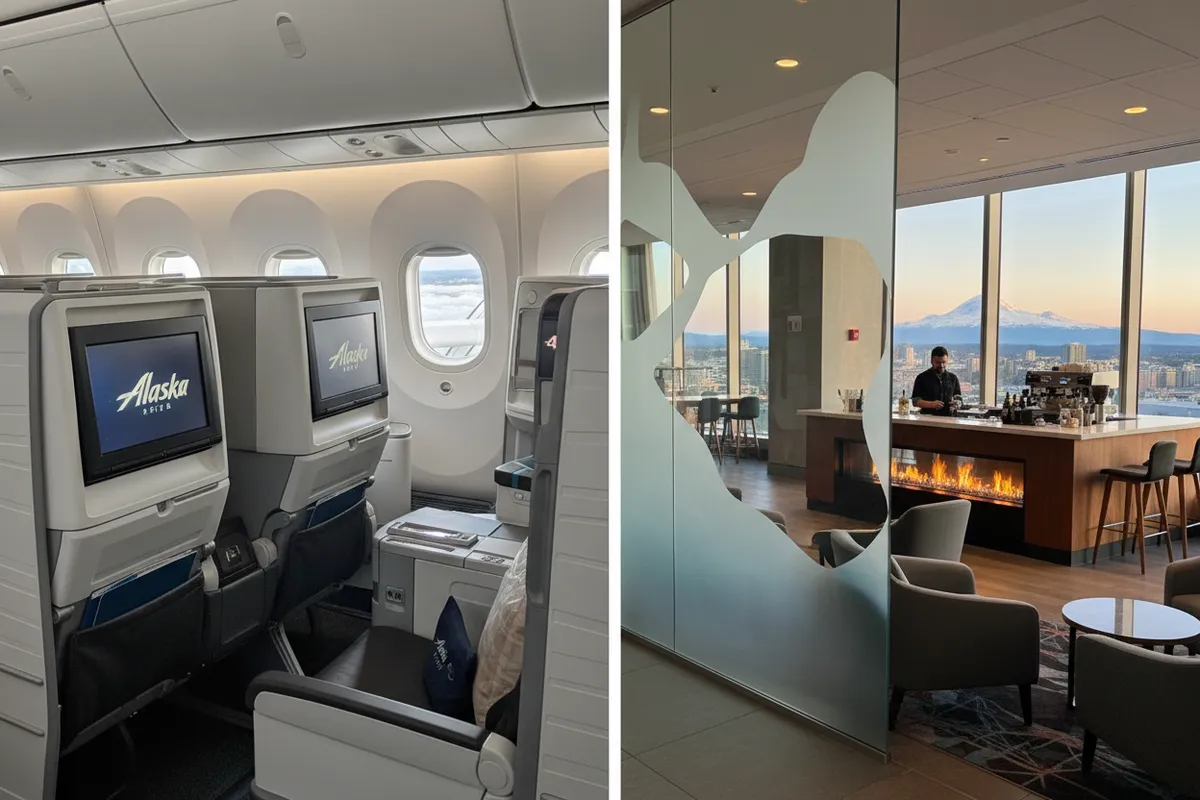
The airline plans to retrofit its Boeing 787 aircraft with premium economy cabins by 2028, targeting what the industry considers its most profitable long-haul cabin class. This move positions Alaska Airlines to compete directly with other major US carriers in the lucrative mid-tier travel segment.
Premium economy represents a significant revenue opportunity for airlines, offering passengers enhanced comfort and amenities at a price point between economy and business class. For Alaska Airlines, this cabin addition signals its commitment to serving transcontinental and international routes with competitive premium options.
Luxury Seattle Lounge to Rival Competitors
Perhaps the most ambitious project in Alaska's premium strategy is the construction of a 40,000-square-foot luxury lounge at Seattle-Tacoma International Airport. According to reports, this facility is designed to rival competitors like United's Polaris Lounge, establishing Seattle as a premium hub for Alaska's expanding network.
The massive lounge represents Alaska's commitment to the Pacific Northwest luxury travel trend and positions the airline's Seattle hub as a competitive gateway for premium travelers.
Technology and Loyalty Program Enhancements
Alaska Airlines is also rolling out Starlink Wi-Fi across its fleet, improving the in-flight experience for passengers on both domestic and international routes. The technology upgrade complements the airline's broader premium positioning strategy.
The airline's new Atmos Rewards program is being used strategically to drive growth in key markets like San Diego. According to reports, the program offers competitive advantages that help Alaska weaponize premium products to drive credit card adoption and elite status engagement.
Post-Merger Integration Strategy
Following its acquisition of Hawaiian Airlines last year and the launch of its first European service last week, Alaska Airlines is rapidly transforming from a regional carrier into a global airline. This expansion reshapes the competitive landscape and demonstrates how regional carriers are increasingly competing on international routes.
The integration strategy appears focused on leveraging loyalty programs to drive network decisions, using premium products to attract high-value customers across both Alaska and Hawaiian's traditional markets.
Impact on Travelers and Industry
For travelers, Alaska's transformation signals better mid-tier options on transcontinental and international routes. The airline's expansion into premium economy and luxury ground services provides more choices for passengers seeking enhanced comfort without business class pricing.
The broader trend of regional carriers going global has implications for route availability and pricing across the industry. Alaska's moves demonstrate how airlines are using premium products and loyalty programs as competitive weapons in the battle for high-value customers.
Looking Ahead
Alaska Airlines' comprehensive premium strategy represents a significant shift in the airline's positioning. With premium economy cabins planned for 2028, a luxury lounge under construction, and enhanced technology rolling out, the airline is positioning itself as a serious competitor in the global premium travel market.
The success of this transformation will largely depend on execution and how effectively Alaska can integrate its premium offerings with its expanded route network following the Hawaiian Airlines acquisition.