
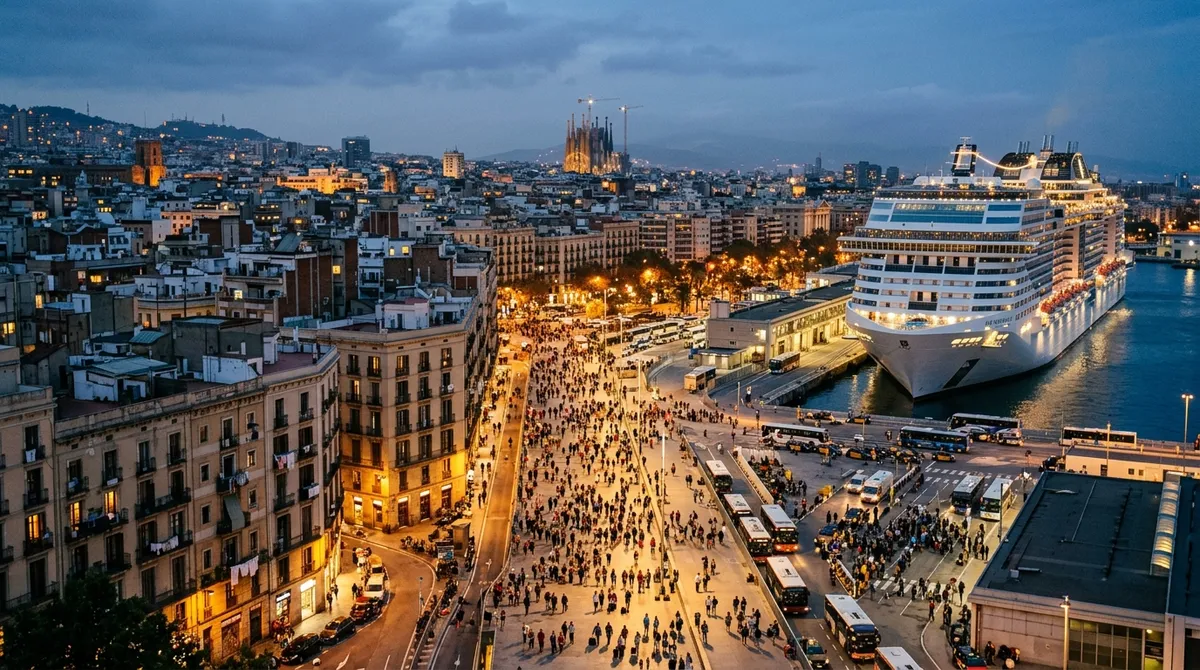
Barcelona Takes Aim at Cruise Tourism
Barcelona is proposing to double the tax paid by cruise passengers who stop in the city, according to reports. The move represents the latest effort by a major European destination to tighten control over cruise tourism and reduce pressure from short-stay visitors.
The proposed increase would double the fee paid by cruise passengers stopping in the city, marking a significant escalation in Barcelona's approach to managing tourism flows.
The Broader European Trend
Barcelona's proposed tax hike signals a broader shift among European destinations toward making high-volume tourism pay more of its local impact costs. Major European cities are escalating efforts to manage overtourism, particularly targeting sectors where visitors contribute to crowding without proportional economic benefits to local communities.
The initiative specifically targets cruise passengers, who typically spend limited time and money in destinations compared to overnight visitors, while still contributing to congestion and infrastructure strain.
Why Cruise Tourism Is Under Scrutiny
Cruise tourism has come under particular scrutiny in cities like Barcelona, where large ships can discharge thousands of passengers for brief port visits. According to reports, these short-stay visitors add crowding without contributing as much to the local economy as traditional tourists who book hotels and dine at local restaurants.
The tension between cruise tourism and local quality of life has become a growing concern for city planners and residents alike. Popular destinations are increasingly weighing the economic benefits of cruise traffic against its impact on infrastructure, local businesses, and resident quality of life.
Impact on Travelers
The proposed tax increase will directly affect cruise passengers planning to visit Barcelona, adding to the overall cost of Mediterranean cruise itineraries. This development is part of a broader trend that could reshape how travelers budget for European cruise destinations.
As tourism taxes become more common and substantial across popular destinations, cruise passengers may need to factor these additional costs into their travel planning. The move also raises questions about whether other Mediterranean ports will follow Barcelona's lead.
The Future of Tourism Taxation
Barcelona's initiative reflects growing momentum behind tourism taxation as a tool for managing visitor flows and generating revenue for local infrastructure. The concept of making high-volume tourism sectors pay more of their local impact costs is gaining traction across Europe.
This approach represents a shift from simply welcoming all tourism to more selective strategies that prioritize sustainable visitor patterns. Cities are increasingly asking whether current tourism models truly benefit local communities or primarily serve external economic interests.
What This Means for the Industry
The proposed tax doubling could influence how cruise lines structure their Mediterranean itineraries and pricing. It may also prompt the industry to work more closely with destinations to develop tourism models that better serve local communities.
For travelers, this development highlights the growing importance of understanding tourism taxes and local policies when planning cruise vacations. As more destinations adopt similar measures, the cost and complexity of cruise travel to popular European ports may continue to evolve.
The debate around sustainable tourism versus traveler affordability is likely to intensify as more cities follow Barcelona's example in seeking to balance tourism revenue with local quality of life concerns.