A New Model for Airport Access
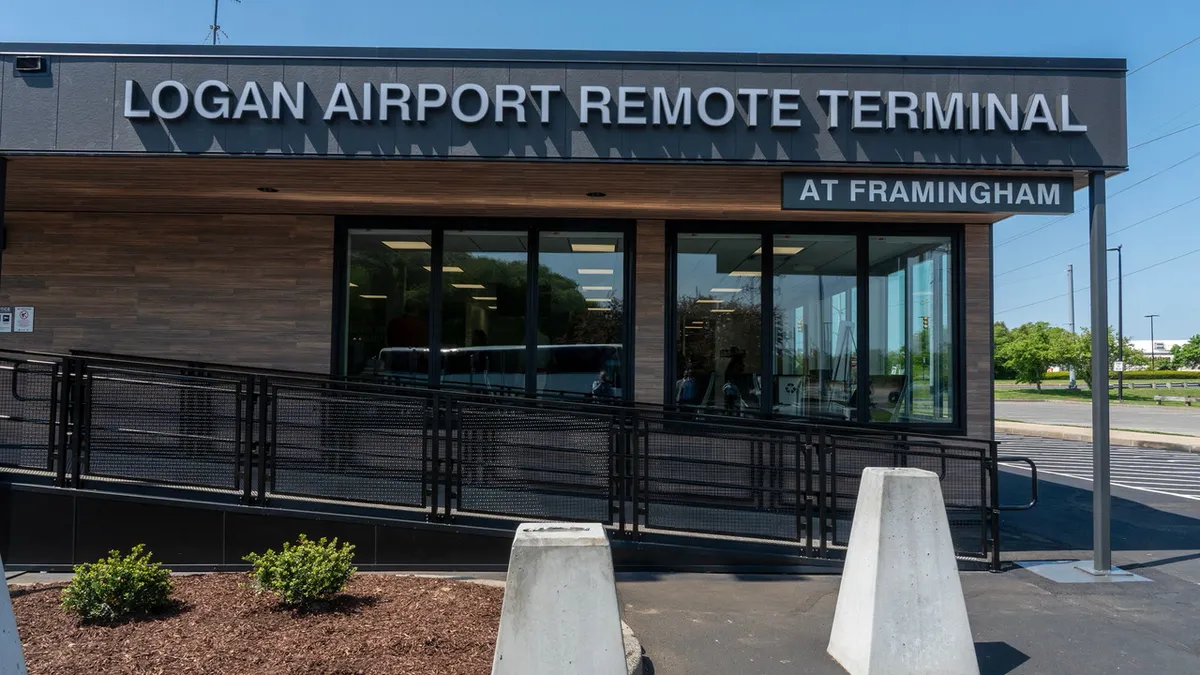
Boston Logan International Airport is pioneering a new approach to managing airport congestion with the opening of a remote terminal in Framingham. According to reports, Delta and JetBlue passengers can now complete their check-in process, drop off baggage, and clear TSA security at this suburban location before taking an airside Landline bus directly to Boston Logan.
This innovative system represents a potential solution to the space, traffic, and security bottlenecks that major airports increasingly face across the country.
How the Remote Terminal Works
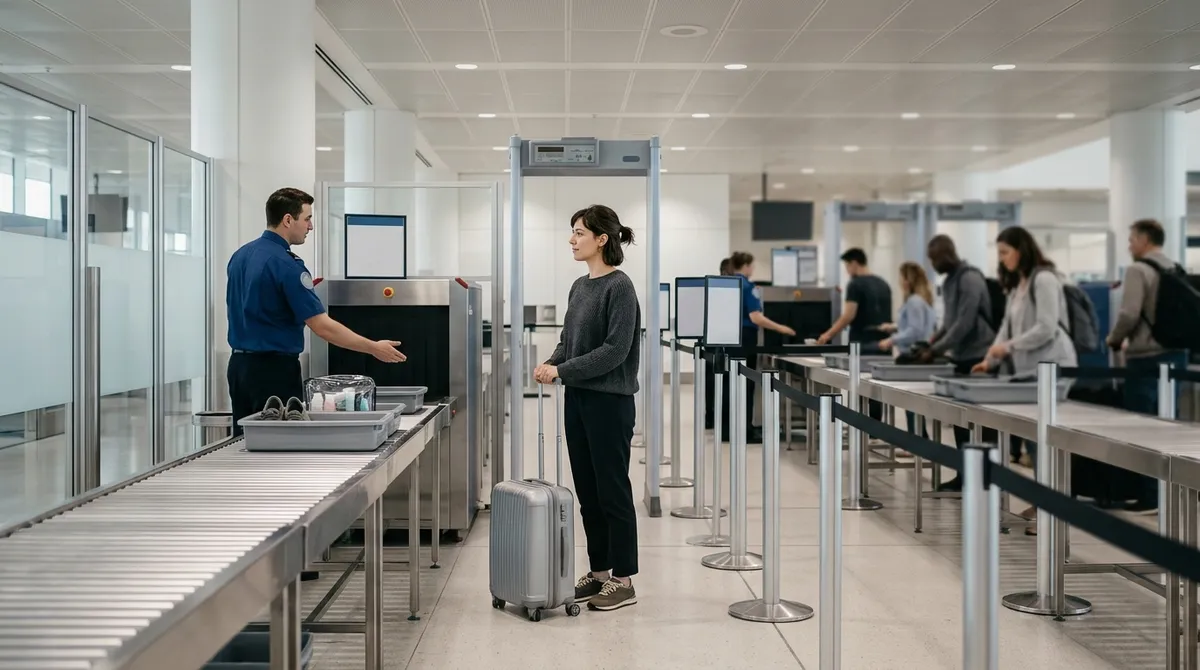
The Framingham facility operates as a fully functional pre-airport terminal. Passengers traveling on Delta or JetBlue flights can arrive at the remote location to complete all pre-flight requirements typically handled at the main airport. After clearing security at the suburban terminal, travelers board a dedicated airside bus service that transports them directly to their gates at Logan Airport.
This process eliminates the need for passengers to navigate Logan's crowded terminals for check-in and security screening, potentially reducing congestion at the main airport facility.
Cost Considerations for Travelers
According to reports, the Logan Express remote terminal service comes with a $9 fee. Travelers will need to weigh this cost against the potential time savings and convenience of avoiding Logan's main terminal congestion.
The pricing structure reflects the premium nature of this bypass service, positioning it as an option for passengers who prioritize convenience and efficiency over cost savings.
Addressing Airport Capacity Challenges
Major airports nationwide are struggling with capacity limitations as passenger volumes continue to grow. Traditional solutions often involve expensive terminal expansions or infrastructure upgrades within already crowded airport grounds.
Boston's remote terminal concept offers an alternative approach by moving key passenger processing functions off-site. This strategy could help airports expand their effective capacity without the need for costly construction projects within their existing footprints.
Implications for the Future of Air Travel
The Framingham terminal represents more than just a local solution to Boston's airport congestion. According to reports, this model could become a trend for other busy metropolitan areas seeking to improve airport access and reduce bottlenecks.
Travelers are increasingly seeking lower-friction ways to reach their flights, and remote terminals could address this demand while helping airports manage capacity more effectively. The concept essentially moves airport security and check-in processes into suburban locations, potentially transforming how passengers interact with airport systems.
What Travelers Should Know
Before using the Framingham remote terminal, passengers should consider several factors. The service is currently limited to Delta and JetBlue flights, so travelers on other airlines will need to use traditional airport access methods.
The effectiveness of the remote terminal will largely depend on timing and logistics. While it may reduce time spent at Logan Airport itself, travelers must factor in the additional travel time to Framingham and the bus transfer to the airport.
Testing Ground for Industry Innovation
Boston's experiment with remote airport terminals could influence how other major airports approach capacity and congestion challenges. If the Framingham facility proves successful in reducing bottlenecks and improving passenger experience, similar concepts may emerge in other metropolitan areas.
The aviation industry will be watching closely to see whether this suburban approach to airport processing becomes a viable model for expanding airport capacity without traditional infrastructure investments. The success or challenges of Boston's remote terminal could shape future airport development strategies nationwide.