What Does SSSS Mean on Your Boarding Pass?
Seeing "SSSS" printed on your boarding pass can trigger immediate anxiety, but understanding what it means can help you prepare for what's ahead. According to reports, SSSS stands for Secondary Security Screening Selection, which flags travelers for additional airport screening procedures beyond the standard security checkpoint.
What to Expect During SSSS Screening
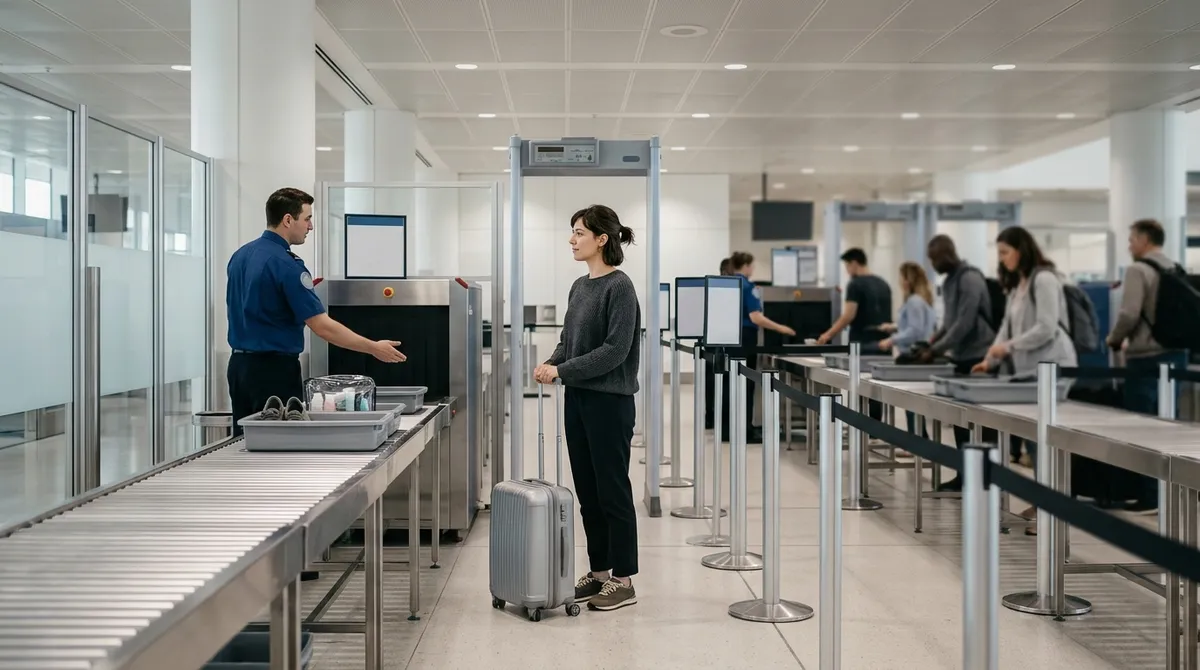
When you're selected for secondary screening, you'll undergo more thorough security measures that may include bag checks, swabs for explosive residue, additional imaging, or physical pat-downs. These procedures are conducted by TSA agents and are designed to provide an extra layer of security screening.
The selection can also cause online check-in to suddenly fail, forcing you to check in at the airport counter instead. This is often the first sign that you've been flagged for additional screening.
Why Travelers Get Flagged for SSSS
According to reports, the selection process involves TSA's Secure Flight and Silent Partner programs, which use various factors to determine who receives additional screening. Interestingly, even travelers with TSA PreCheck can still be flagged for SSSS, showing that trusted traveler status doesn't guarantee exemption from secondary screening.
The reasons for selection aren't always clear to travelers, as the criteria used by these screening systems aren't publicly disclosed for security purposes.
How to Handle SSSS Selection
If you discover SSSS on your boarding pass, the key is preparation and patience:
Arrive Earlier: Plan to arrive at the airport with extra time to accommodate the additional screening procedures. The secondary screening process will add time to your normal security checkpoint experience.
Stay Calm: Remember that SSSS selection is a routine security procedure and doesn't indicate any wrongdoing on your part.
Be Prepared: Expect thorough bag checks and potential physical screening. Having your belongings organized can help speed up the process.
When to Apply for DHS TRIP
For travelers who experience repeated SSSS selections, there's a solution available. According to reports, frequent repeat selections may warrant applying for a redress number through DHS TRIP (Department of Homeland Security Traveler Redress Inquiry Program).
This program allows travelers who believe they've been unfairly or incorrectly subjected to additional screening to request a review of their case. A redress number can help prevent future misidentification that leads to repeated secondary screening.
The Broader Context of Airport Security
With international travel on the rise and TSA screening systems under renewed scrutiny, more travelers are seeking practical guidance on navigating airport security surprises. The updated context for 2026 shows that TSA continues to refine its screening programs while maintaining security standards.
Understanding systems like Secure Flight and Silent Partner helps travelers better prepare for the airport experience, even when unexpected screening selections occur.
Final Tips for SSSS Situations
Turning SSSS anxiety into actionable preparation can make the experience much smoother. Key strategies include:
- Checking your boarding pass carefully when you receive it
- Planning extra airport arrival time when you notice SSSS
- Keeping important documents easily accessible
- Understanding that secondary screening is a standard security procedure
- Knowing when to consider applying for DHS TRIP if selections become frequent
Remember that SSSS selection, while inconvenient, is part of the aviation security system designed to keep all travelers safe. With proper preparation and understanding of what to expect, you can navigate secondary screening with confidence and minimal stress.