A Troubling Decline in US Tourism
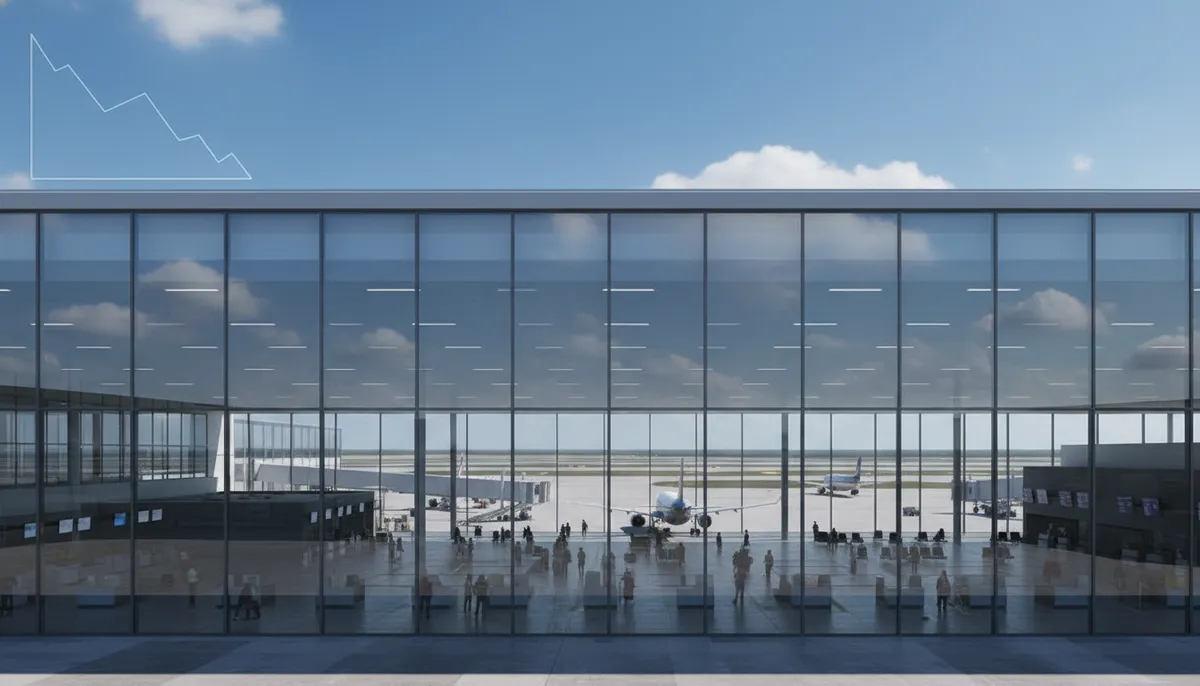
The United States is experiencing a significant downturn in international tourism, with overseas visitor numbers dropping over 14% this year compared to the previous year. This alarming trend signals a major shift in global travel patterns that could have far-reaching consequences for the American tourism industry.
The decline represents more than just statistics—it threatens the economic foundation of countless businesses, communities, and workers who depend on international visitor spending. According to reports, this drop raises serious questions about the competitiveness of the US as a global destination.
Economic Ripple Effects Across Industries
The tourism slump is creating ripple effects throughout the US economy. The hospitality industry, which relies heavily on international guests, faces potential job losses and reduced revenue streams. Local economies that have built their foundations around tourist spending are particularly vulnerable to this downturn.
Regional disparities are emerging as some US cities appear to be experiencing harder hits than others, though the full scope of which areas are most affected continues to develop. The decline impacts not just hotels and restaurants, but also retail businesses, attractions, and transportation services that cater to international visitors.
Multiple Factors Behind the Exodus
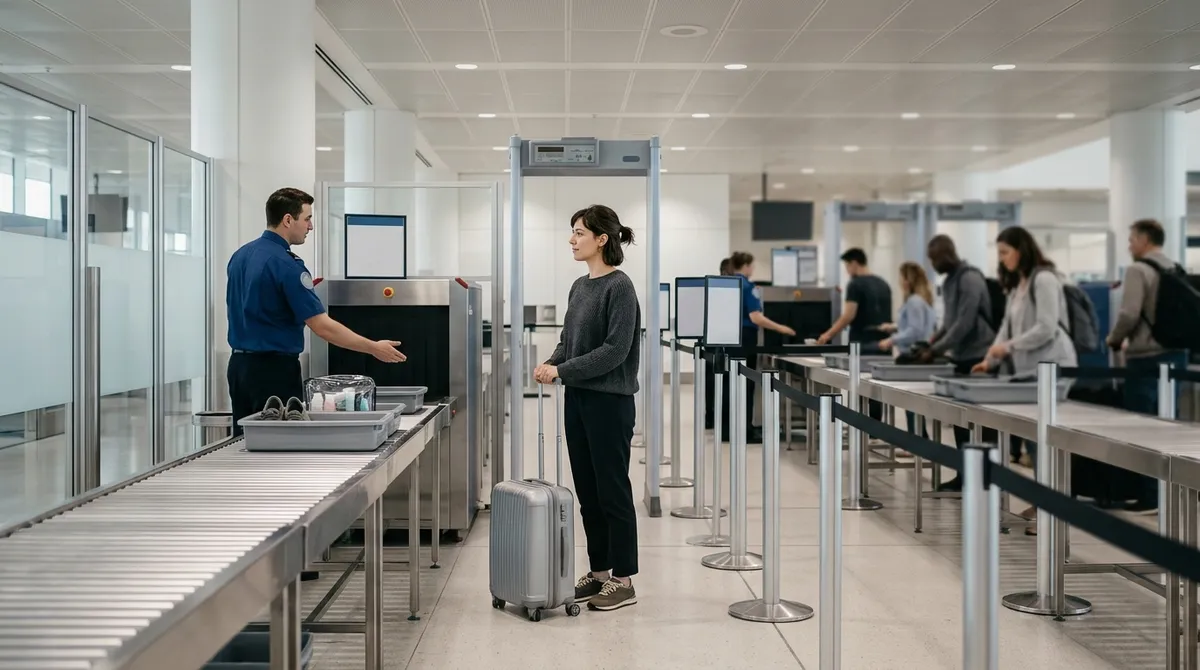
Several potential factors may be contributing to international travelers choosing alternative destinations over the United States. Visa policy complications could be creating friction for potential visitors, making travel planning more cumbersome and discouraging trips altogether.
Currency strength may also play a role, potentially making US travel more expensive for international visitors compared to other destinations. Safety and perception issues might be influencing traveler decisions, as global tourists reassess their destination preferences.
The competitive landscape has also evolved, with other countries potentially offering better deals or more attractive packages to international visitors, drawing them away from traditional US destinations.
Understanding the Broader Context
This tourism decline occurs within a broader context of shifting global travel patterns. International travelers are increasingly exploring diverse destinations and may be prioritizing different experiences than those traditionally offered by US tourism markets.
The trend also highlights the importance of destination competitiveness in the modern travel landscape. Countries and regions must continuously adapt their offerings, policies, and marketing strategies to attract and retain international visitors in an increasingly competitive global market.
Potential Solutions and Opportunities
According to reports, there are opportunities for travel industry professionals and content creators to help address these challenges. Travel guides and influencers could play a role in helping international audiences overcome perceived barriers to visiting the United States.
Content creators have identified this trend as an opportunity to explore why travelers are choosing other destinations over America, potentially developing content that addresses concerns and showcases the unique value propositions of US destinations.
The situation also presents an opportunity for policy makers and tourism boards to reassess current strategies, streamline processes, and develop more competitive offerings that appeal to international travelers.
Looking Ahead
As this trend continues to develop, the US tourism industry will need to adapt quickly to changing global preferences and address the underlying factors contributing to the decline. The 14% drop serves as a wake-up call for stakeholders across the tourism ecosystem to innovate and improve their approaches to attracting international visitors.
The coming months will be crucial in determining whether this decline represents a temporary setback or a more fundamental shift in global travel patterns. Industry professionals, policy makers, and destination marketers will need to work collaboratively to understand and address the root causes of this tourism slump to restore the United States' position as a premier international destination.