
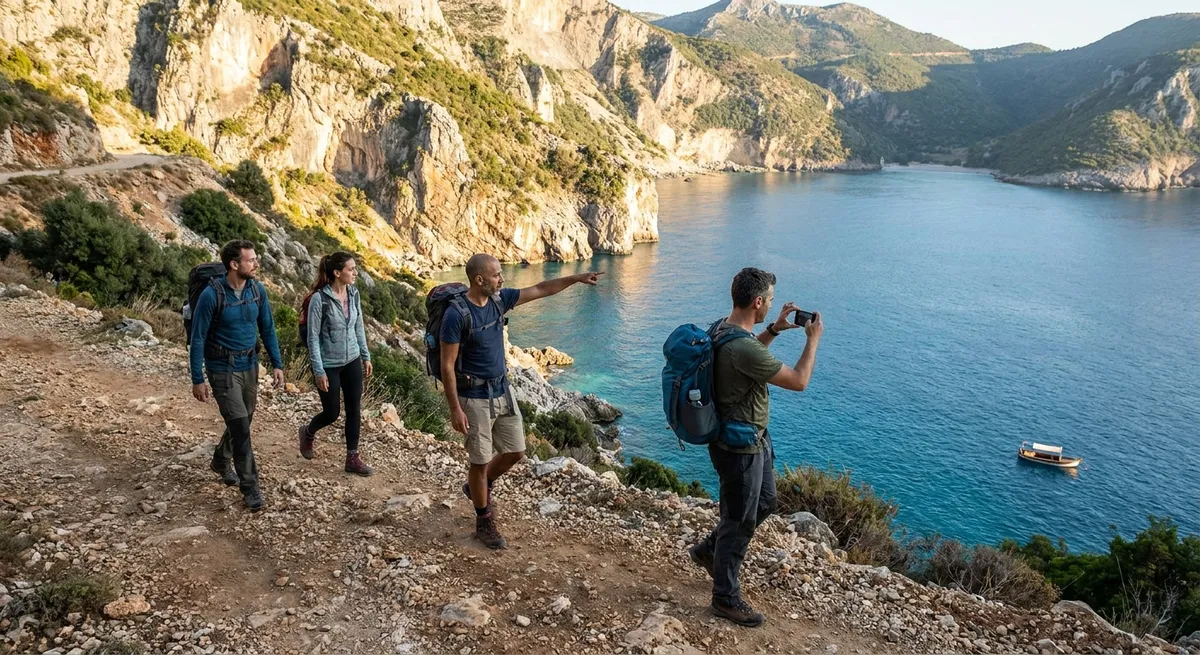
Post-Overtourism: The Search for Authenticity
As travelers increasingly seek refuge from the overcrowded and overpriced traditional summer destinations, a new map of desirable locations is emerging for 2027. According to industry reports, the primary drivers for this shift are a quest for authentic cultural experiences, a growing emphasis on sustainable travel, and the lingering effects of flexible work arrangements. Analysts predict that destinations offering unique landscapes and fewer crowds will capture the market once dominated by the likes of Paris and Rome.
The trend marks a clear departure from "checklist tourism," where visitors rush between famous landmarks. Instead, the focus is shifting toward slower, more immersive travel that provides a genuine connection to the local environment and culture.
The Albanian Riviera: Europe's Last Undiscovered Coastline
Industry insiders are pointing to the Albanian Riviera as the breakout Mediterranean destination for 2027. With pristine beaches rivaling those in neighboring Greece and Croatia but at a fraction of the cost, Albania is poised to attract travelers disillusioned with the congestion of established hotspots. Reports suggest significant infrastructure investments are making the region more accessible without sacrificing its rugged, unspoiled charm.
This rise is fueled by a desire for what analysts call "under-the-radar luxury." Travelers are looking for high-quality experiences—from boutique hotels to fresh, local cuisine—in settings that feel exclusive and undiscovered, a niche Albania is perfectly positioned to fill.
Climate and Curiosity: Greenland's Emergence
An unexpected contender for summer travel is Greenland, which is becoming more accessible due to shifting climate patterns and improved flight connections. Reports indicate a surge in interest for adventure and eco-tourism focused on its dramatic landscapes of icebergs, glaciers, and fjords. Unlike traditional sun-and-sand holidays, Greenland offers a unique proposition centered on raw nature and arctic wildlife.
Analysts note this trend reflects a growing appetite for "transformational travel," where the journey's purpose is to witness and engage with profound environmental phenomena. Greenland's stark beauty offers a powerful and timely travel experience.
Beyond Seoul: South Korea's Cultural Renaissance
While Seoul has captured global attention, travel analysts predict that by 2027, discerning travelers will be heading to Gyeongju, the ancient capital of the Silla Kingdom. As the global fascination with Korean culture deepens, tourists are expected to seek out its historical roots. Gyeongju, often called "the museum without walls," offers a serene, culturally rich alternative to the bustling metropolis.
This pivot toward historical depth aligns with a broader trend of travelers seeking educational and enriching vacations. The demand is shifting from modern pop culture to the heritage that underpins it, and Gyeongju is set to become the epicenter of this new wave.
Regenerative Travel in Guyana
In South America, Guyana is emerging as a leader in sustainable and regenerative tourism. Reports suggest its vast, untouched rainforests, including the iconic Kaieteur Falls, are drawing travelers focused on conservation and positive-impact journeys. The country's tourism model, heavily reliant on community-led and Indigenous-owned lodges, offers an authentic and ethical alternative to mass-market eco-tourism.
This focus on "regenerative travel"—leaving a place better than you found it—is a key factor for the 35-64 age demographic, who are increasingly using their travel spending to support environmental and social causes. Guyana's approach directly addresses this growing market demand.
Looking Ahead: The New Travel Priorities
The destinations poised to dominate 2027 represent a fundamental shift in what travelers value. The era of prioritizing the most Instagrammable landmark is giving way to a search for meaning, connection, and sustainability. While established destinations will always hold appeal, the real growth and excitement in the travel industry will be found off the beaten path.
For travel providers and investors, understanding this pivot from volume to value will be critical. The future of summer travel lies not in bigger crowds, but in better, more intentional experiences that benefit both the traveler and the destination.